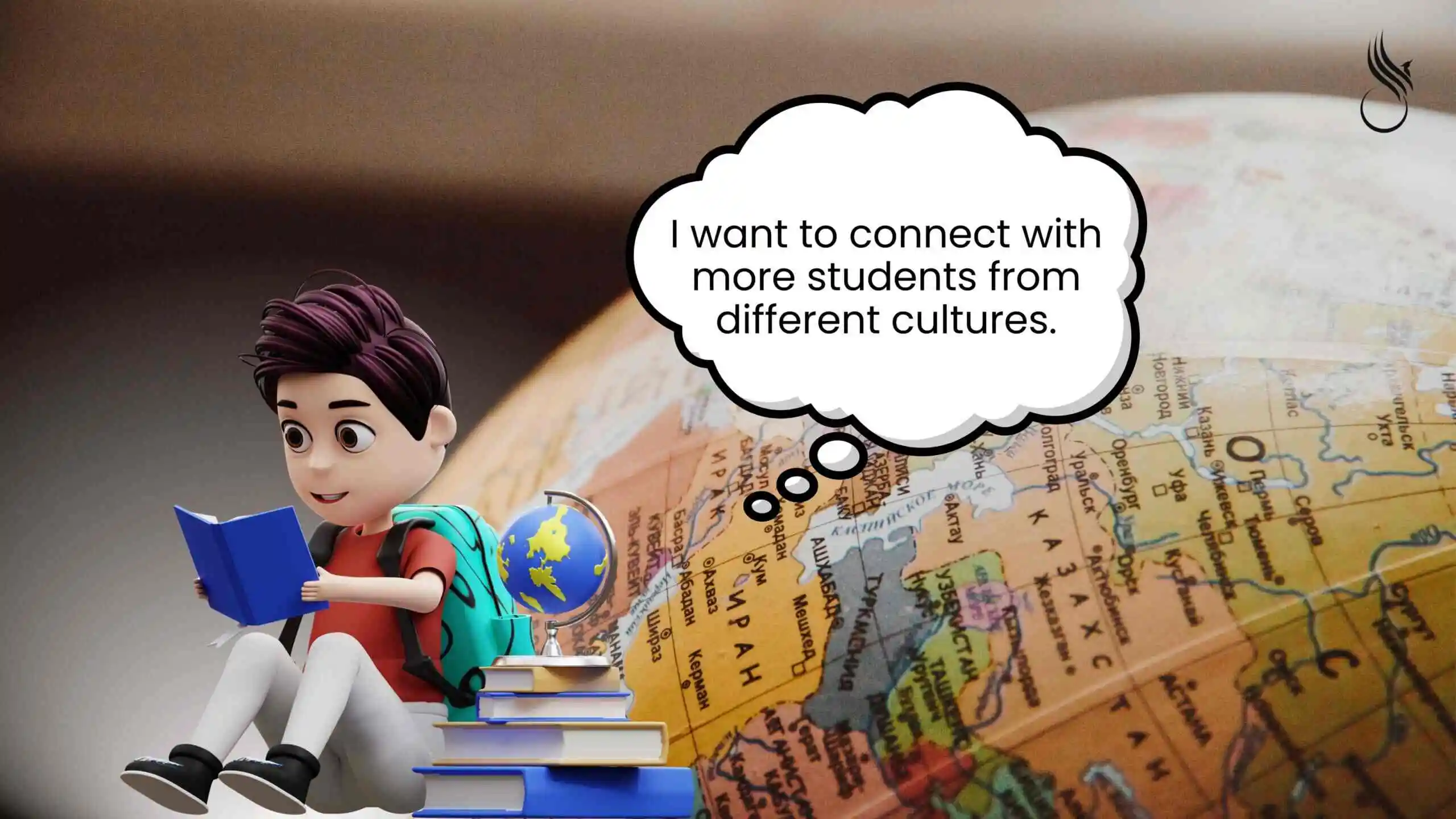
In an increasingly interconnected world, education is no longer confined by walls, cities, or countries. Thanks to the rise of online learning across borders, students today can collaborate, study, and share ideas with peers from every corner of the globe. This digital transformation has given birth to global classrooms, where diversity, technology, and shared knowledge create an enriched learning experience.
The concept of global classrooms is simple yet powerful. It leverages digital tools, virtual platforms, and interactive online programs to connect students in real-time, regardless of geography. From video lectures and collaborative projects to virtual exchange programs, online education now transcends national boundaries, enabling students to gain cultural insights, global perspectives, and practical skills that traditional classrooms often struggle to provide.
Breaking Down Barriers: The Power of Online Learning
One of the most significant advantages of international online education is accessibility. Students from rural towns, developing nations, or remote regions can now access world-class courses without leaving their homes. Digital platforms provide a flexible learning environment, accommodating different time zones, learning styles, and schedules. This accessibility ensures that quality education is no longer limited to a privileged few, opening doors to knowledge for everyone.
Additionally, online learning encourages students to collaborate across borders. Group assignments, discussion forums, and virtual workshops allow learners to work alongside peers from diverse cultural and academic backgrounds. This exposure fosters cross-cultural understanding, adaptability, and empathy…skills that are invaluable in today’s globalized job market. Students not only learn subject matter but also gain soft skills, like communication and teamwork, that prepare them for future careers in international environments.
Technology as the Bridge Between Borders
The success of global classrooms hinges on technology. Video conferencing tools, cloud-based collaboration platforms, and learning management systems enable seamless communication, file sharing, and project tracking. Some programs even incorporate virtual reality (VR) and augmented reality (AR) to simulate immersive classroom experiences.
For instance, a biology class in India might collaborate with students in Canada to conduct virtual experiments, analyze data collectively, and present findings online. This interactive approach goes beyond traditional textbooks, allowing students to engage in hands-on learning experiences while connecting with international peers in meaningful ways.
Cultural Exchange and Global Perspectives
Beyond academics, online classrooms are catalysts for cultural exchange. Students interact with peers from different countries, languages, and traditions, gaining insights into global issues and perspectives. Such experiences nurture open-mindedness, curiosity, and tolerance, fostering a generation of learners who are not only knowledgeable but also culturally aware.
Programs offering international certifications, online student competitions, and global discussion forums further enrich the learning environment. Students share ideas, debate issues, and collaborate on solutions that reflect diverse viewpoints. This exposure enhances critical thinking and equips learners to address complex global challenges collaboratively.
Balancing Flexibility and Structure
While online learning across borders offers immense benefits, it also requires discipline and self-motivation. Unlike traditional classrooms, learners must manage their schedules, meet deadlines, and actively participate in virtual discussions. However, the rewards >> global networking, exposure to diverse ideas, and development of digital literacy….often outweigh the challenges.
Educators play a crucial role in designing interactive, engaging online programs. By incorporating multimedia resources, live discussions, and collaborative assignments, teachers ensure that students remain motivated and connected, even when separated by thousands of miles.
Conclusion: The Future of Global Classrooms
The rise of global classrooms demonstrates that education is no longer bound by geography. Online learning connects students across borders, fostering collaboration, cultural understanding, and a lifelong love of learning. From increased accessibility to real-time international interaction, the benefits of online education are transforming the way students engage with knowledge and each other.
As technology continues to advance, the potential of international online education will only grow, creating richer, more connected learning experiences. By embracing global classrooms, students gain not only academic knowledge but also a deeper understanding of the world, preparing them to thrive in an increasingly interconnected society.
In short, online learning is not just about education it’s about connection, community, and creating a global network of learners who can inspire, challenge, and support one another across borders.