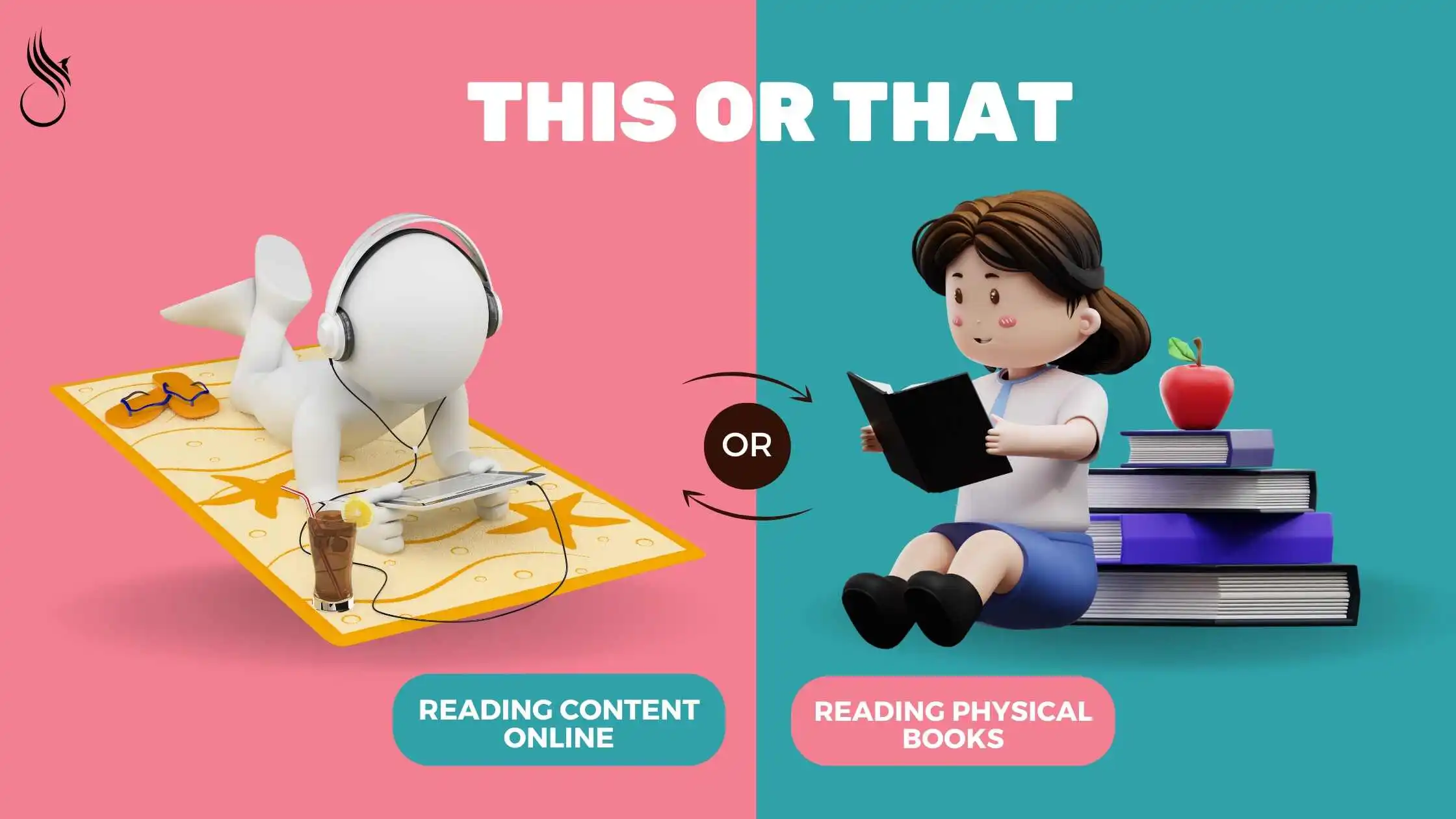
Reading Content Online vs. Physical Books
Discover 5 key differences between reading online and reading physical books, and learn how to balance digital ease with the timeless joy of print reading.
5 Key Differences: Reading Content Online vs. Reading Physical Books – Find Your Perfect Page-Turning Companion
In today’s fast-paced digital era, the debate over reading content online vs. physical books continues to engage readers worldwide. The discussion goes beyond just choosing between screens and paper — it’s about finding your ideal reading experience that fits your lifestyle, learning style, and emotional connection with stories.
While some find peace in flipping through crisp, paper pages, others enjoy the portability of a digital library. Both offer distinct advantages and experiences worth exploring. Let’s look at five key differences that define how each shapes your reading journey.
1. Accessibility and Portability
One undeniable advantage of digital reading is its convenience. With an e-reader, smartphone, or tablet, you can carry an entire library in your pocket. Whether you’re traveling, commuting, or relaxing at home, your favorite titles are just a tap away.
In contrast, physical books are limited by space and weight. However, the very act of carrying a book — flipping through its pages, bookmarking your spot — offers a grounding experience that digital reading can’t fully replicate.
2. Variety and Discovery
Online platforms provide an endless sea of reading options. You can access blogs, e-books, magazines, or academic papers in seconds. Algorithms and recommendation engines introduce you to new genres and authors you might never have discovered otherwise.
Physical books, though limited in immediate access, often come with serendipity — the joy of stumbling upon an old favorite at a bookstore or library. Both paths expand your literary world, just in different ways.
3. The Sensory Experience
Nothing compares to the tactile pleasure of holding a physical book — the smell of paper, the texture of the cover, and the rhythm of turning each page. Reading offline connects you to the moment, offering a sensory and nostalgic experience.
Digital reading, on the other hand, focuses on functionality. Adjustable fonts, backlighting, and built-in dictionaries make reading more efficient and personalized, especially for learners or night readers.
4. Distraction and Focus
Screens, no matter how advanced, come with distractions — notifications, emails, and endless tabs. Reading on a digital device requires discipline and focus.
Physical books offer a much-needed escape from that noise. When you’re immersed in a paperback, there’s no temptation to check messages or scroll through social media. This mindful engagement often leads to better concentration and comprehension.
5. Sustainability and Cost
Digital reading supports sustainability by reducing paper use and shipping emissions. A single e-reader can store thousands of titles, making it eco-friendly over time.
However, physical books have a longer life cycle and can be shared, resold, or donated. They create emotional and cultural value that goes beyond their material form — something that digital files rarely achieve.
Finding Balance: The Best of Both Worlds
The beauty of modern reading lies in choice. You don’t have to pick a side in the debate between reading online vs. reading physical books — you can enjoy both.
Use e-books for travel, study, or convenience, and save printed books for deep reading sessions or relaxing weekends. Blending these habits allows you to adapt your reading to your lifestyle, ensuring both comfort and engagement.
Conclusion
At the end of the day, reading is less about format and more about connection. Whether you’re scrolling through an e-book or turning the pages of a beloved paperback, the essence remains the same — words that inspire, inform, and ignite imagination.
In the debate of reading online vs. reading physical books, there’s no single right answer — only what fits your rhythm of life. The key is to embrace both forms as valuable companions on your lifelong reading adventure.
So, whether you’re team e-reader or team bookshelf, keep exploring, keep learning, and let every word take you somewhere new. After all, the joy of reading — in any form — is a timeless treasure.